Energy
Tigo EI: Fast Data, Flexible:
Processes & Energy Efficiency
To develop a SaaS platform for solar installers and operators, offering tools to efficiently manage photovoltaic installations and streamline operational workflows.
Project Goal
The platform enables control over everything from individual modules to multi-site portfolios, giving users a comprehensive view and simplifying system management.
We utilize a robust tech stack: PHP, Node.js, Python, Java for backend, Vue.js for frontend, and Microsoft Azure for DevOps, ensuring high-performance solutions.
Tech stack
Figma ensures smooth UI/UX design, while Asana and GitLab handle project management and collaboration, enabling efficient workflows and reliable delivery.
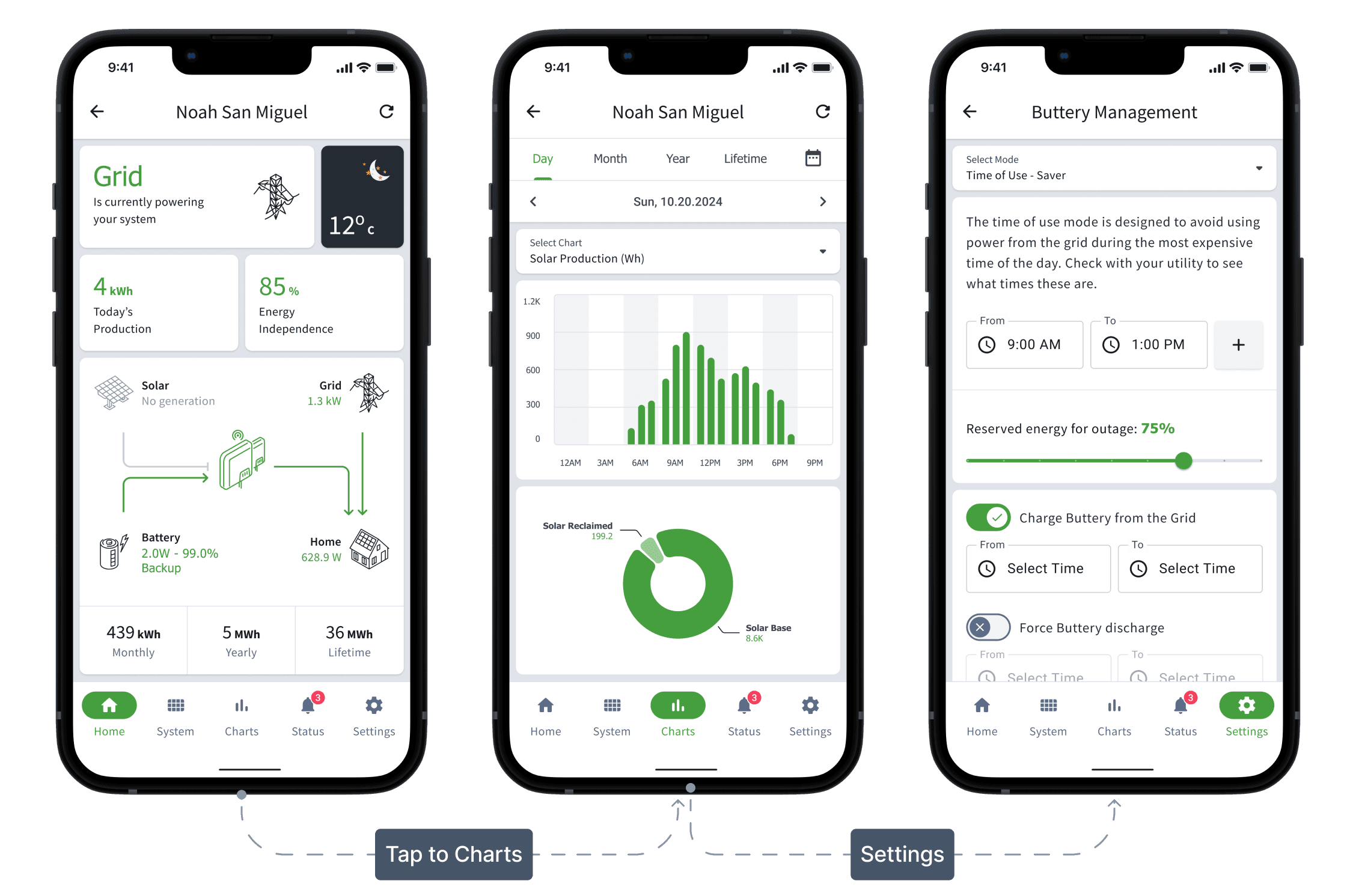
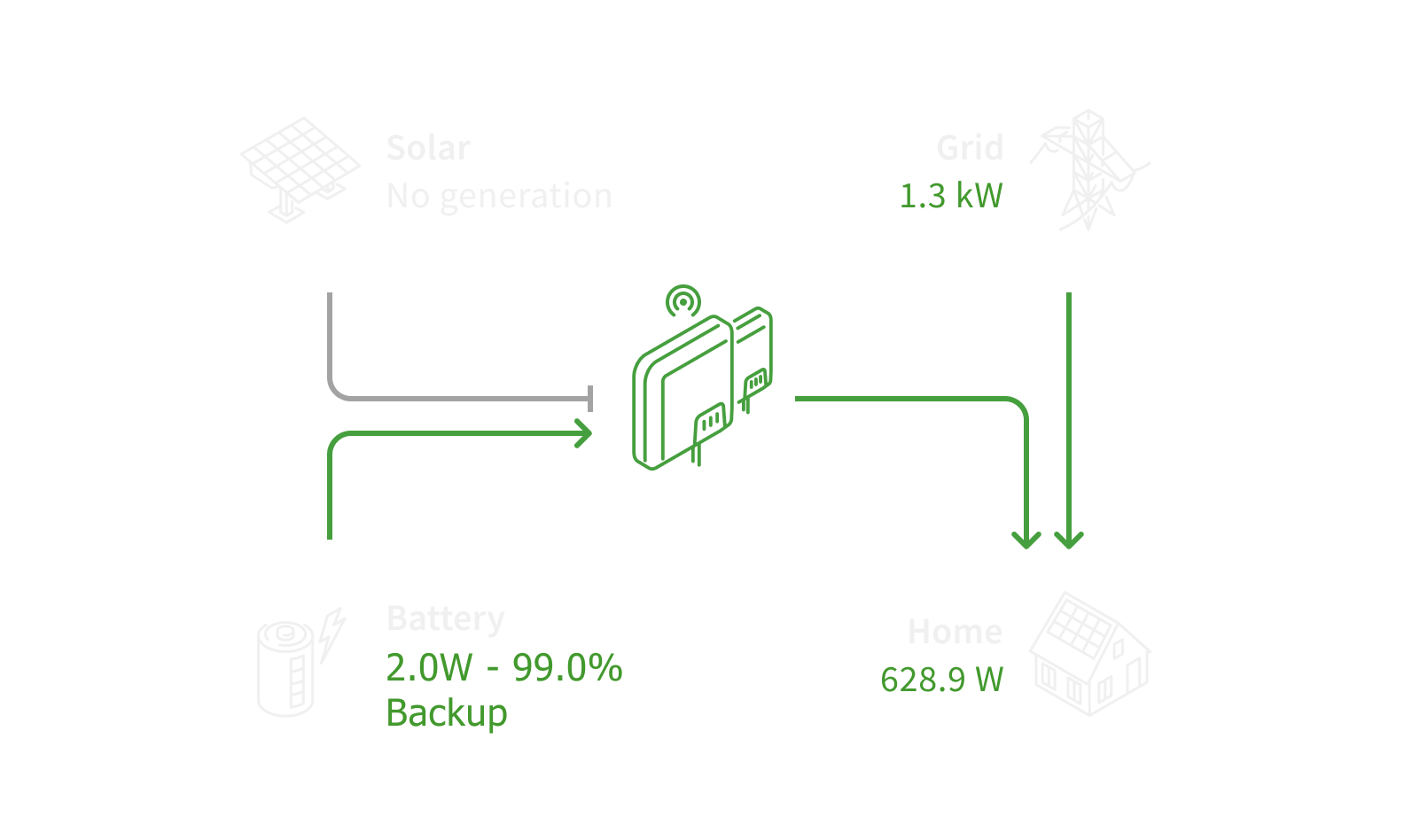
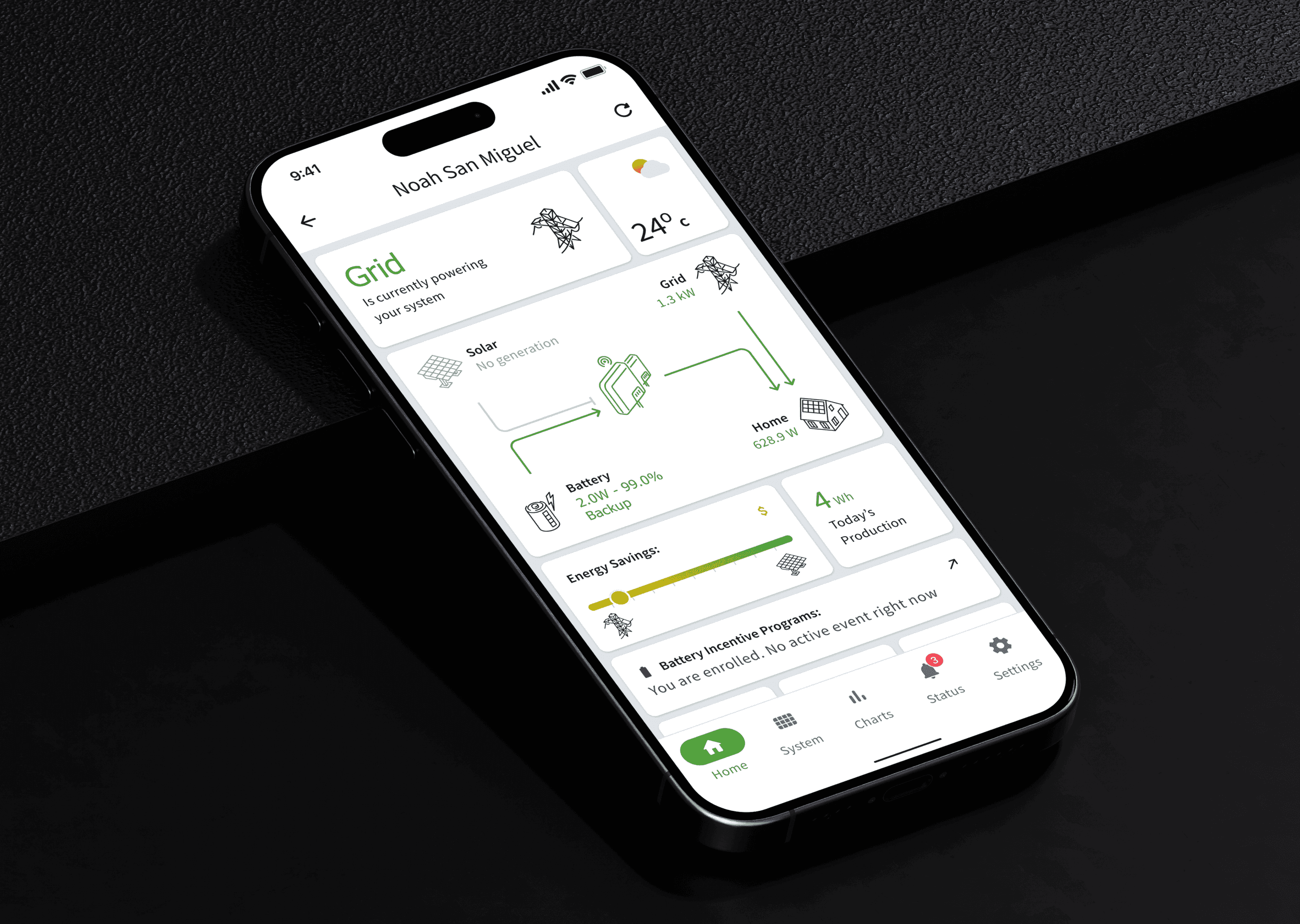
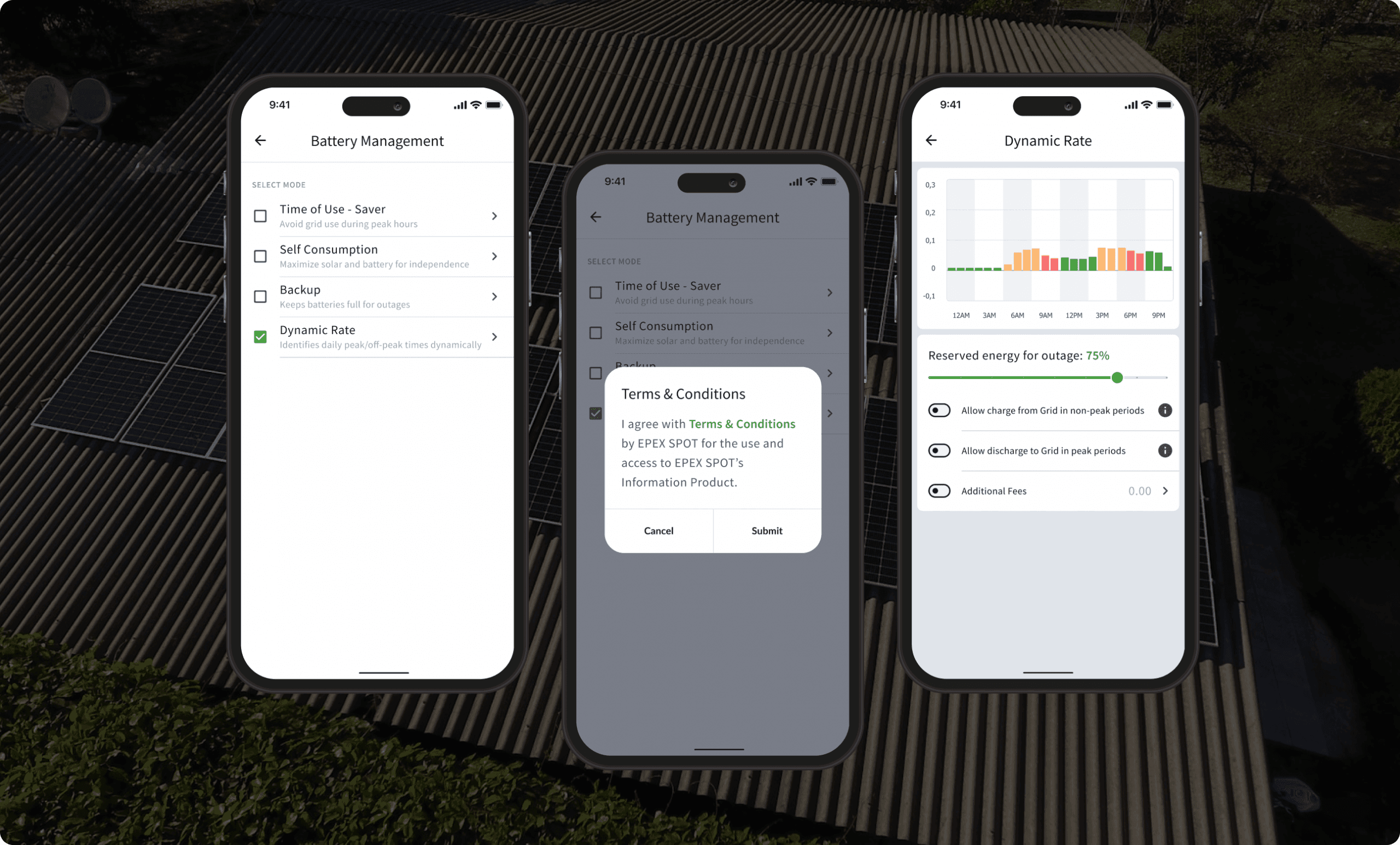
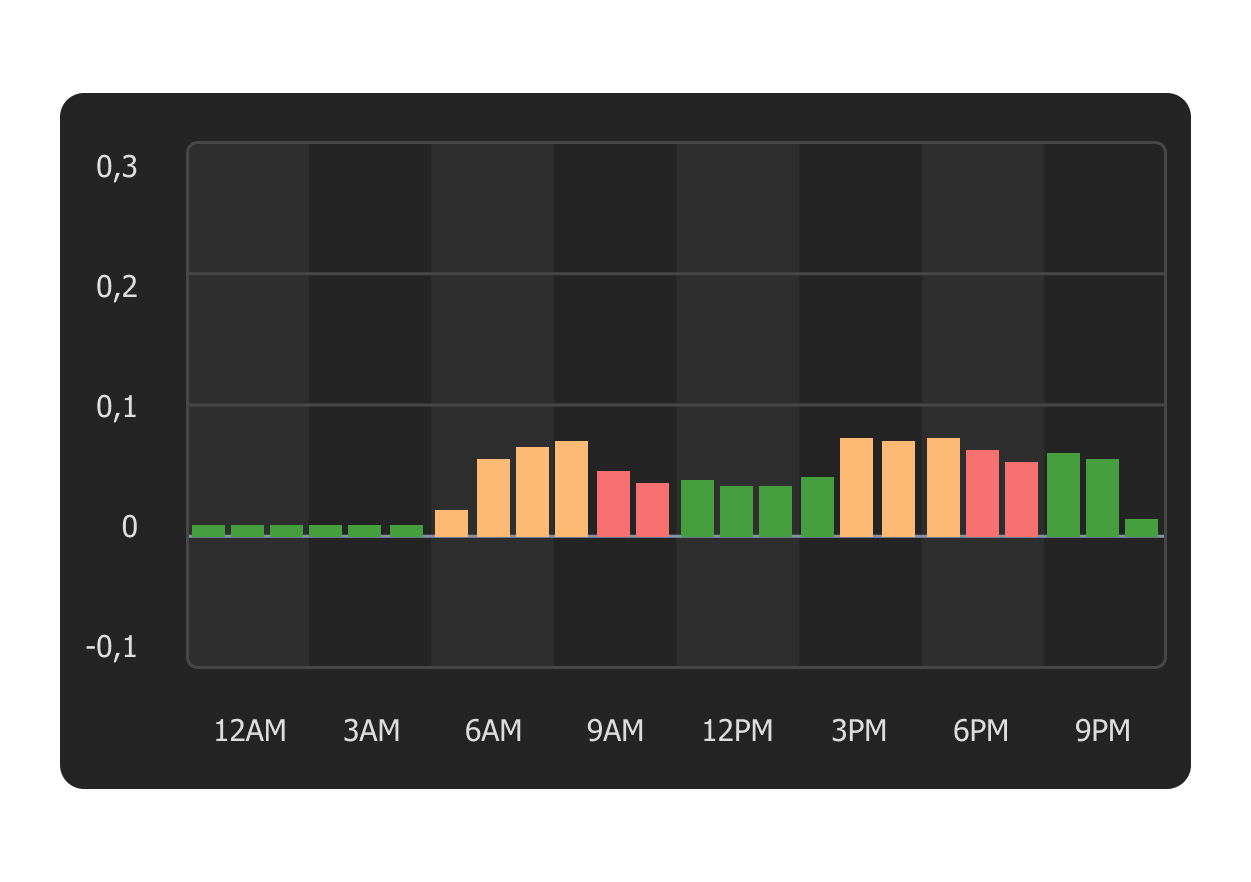
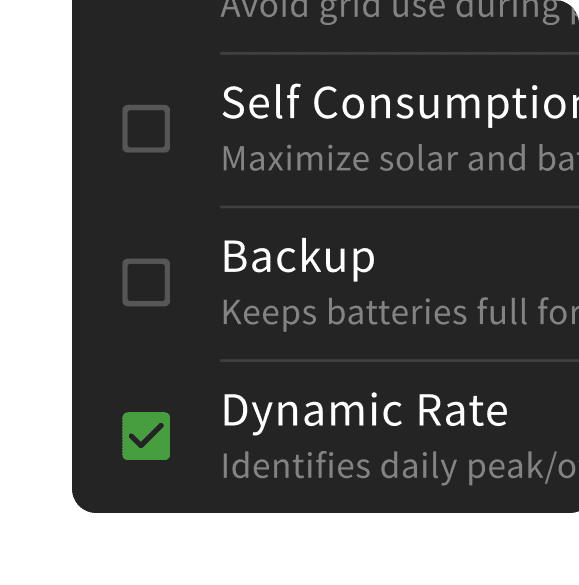
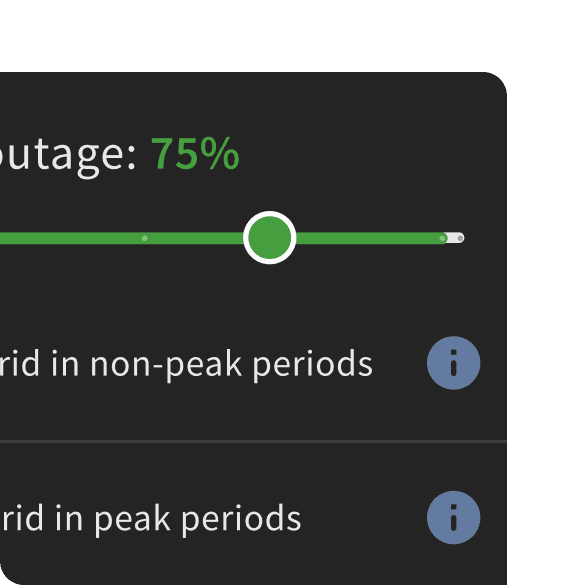
This app lets you easily monitor your entire solar energy system, track production and consumption in real time, explore charts and detailed stats, and manage your battery — set charging schedules, control discharges, and reserve energy to cut costs and stay protected during outages.
This app lets you easily monitor your entire solar energy system, track production and consumption in real time, explore charts and detailed stats, and manage your battery — set charging schedules, control discharges, and reserve energy to cut costs and stay protected during outages.
Services
Custom Web DevelopmentCustom Web Development
Tailored web solutions built from scratch to match your business goals, tech stack, and scalability needs.Tailored web solutions built from scratch to match your business goals, tech stack, and scalability needs.
Development OperationsDevelopment Operations
Streamlined DevOps processes to automate delivery, improve reliability, and scale infrastructure.Streamlined DevOps processes to automate delivery, improve reliability, and scale infrastructure.
Quality AssuranceQuality Assurance
Comprehensive testing to ensure your product is stable, bug-free, and user-ready across all devices.Comprehensive testing to ensure your product is stable, bug-free, and user-ready across all devices.
Business AnalysisBusiness Analysis
We clarify requirements, uncover gaps, and align technical solutions with your business objectives.We clarify requirements, uncover gaps, and align technical solutions with your business objectives.
Design DevelopmentDesign Development
User-centered UI/UX design that enhances usability, supports brand identity, and drives engagement.User-centered UI/UX design that enhances usability, supports brand identity, and drives engagement.
For success in the energy technology sector, it is crucial to understand how infrastructure changes influence efficiency, reliability, and long-term sustainability.
Key Insight
A key part of our work was maintaining the right balance between product innovation, environmental responsibility, and sustainable business growth.
Project Plan
1. Architecture Planning & Design
We analyzed client requirements and designed a scalable architecture for energy data and solar optimization — ensuring stability and long-term reliability.
2. Core System Development & Implementation
We developed core system features, integrating solar panels and monitoring tools. The robust infrastructure processes real-time data, while a simplified interface ensures ease of use.
3. Iterative Improvement & Testing
Using an iterative approach, we tested features, gathered feedback, and improved the system continuously — quickly resolving issues and fine-tuning the product to match real user needs.
4. Scalability & Integration with Other Platforms
We integrated with energy grids and panel solutions, creating a unified management ecosystem and scalable architecture for expanding data loads.
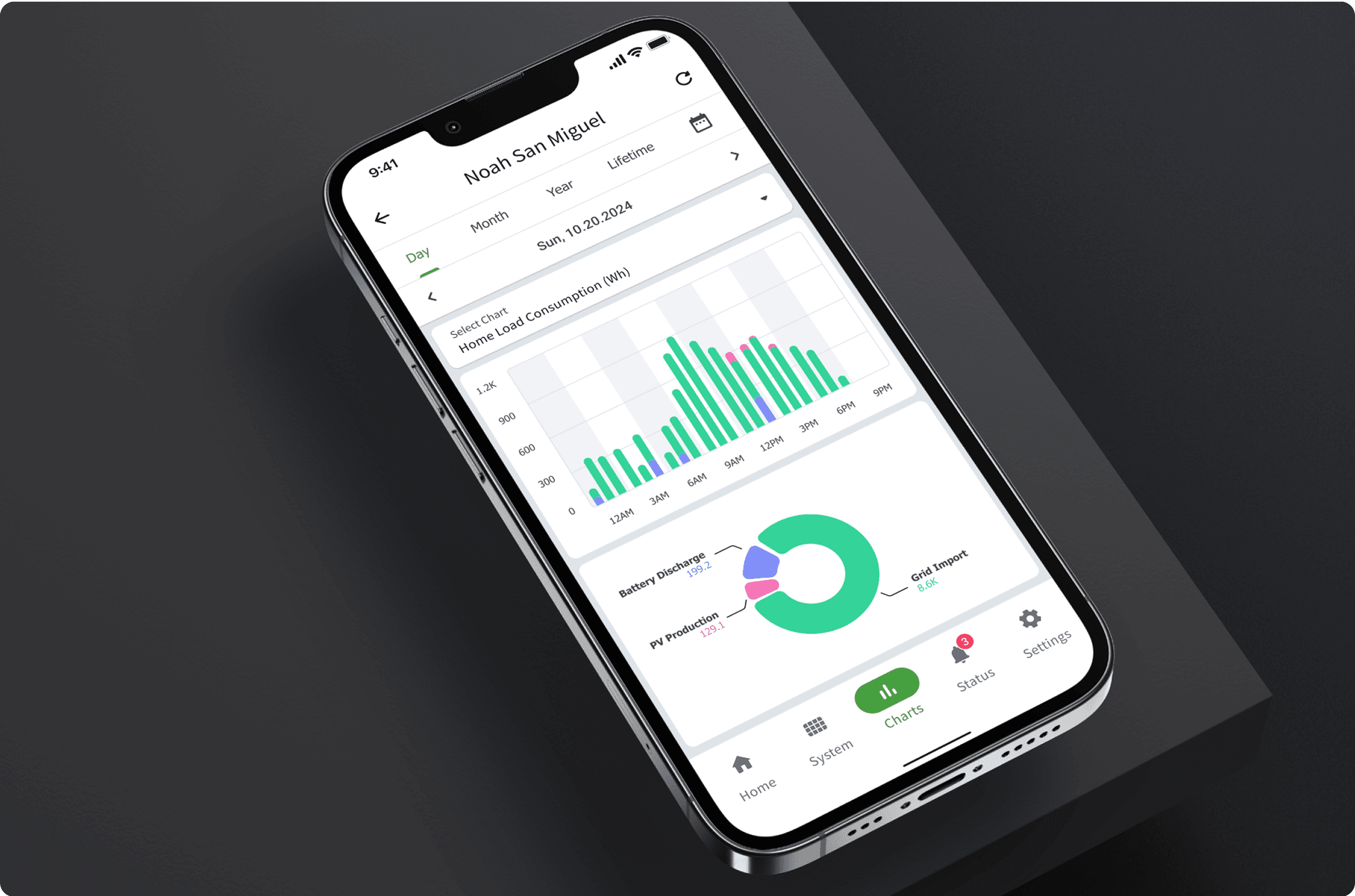

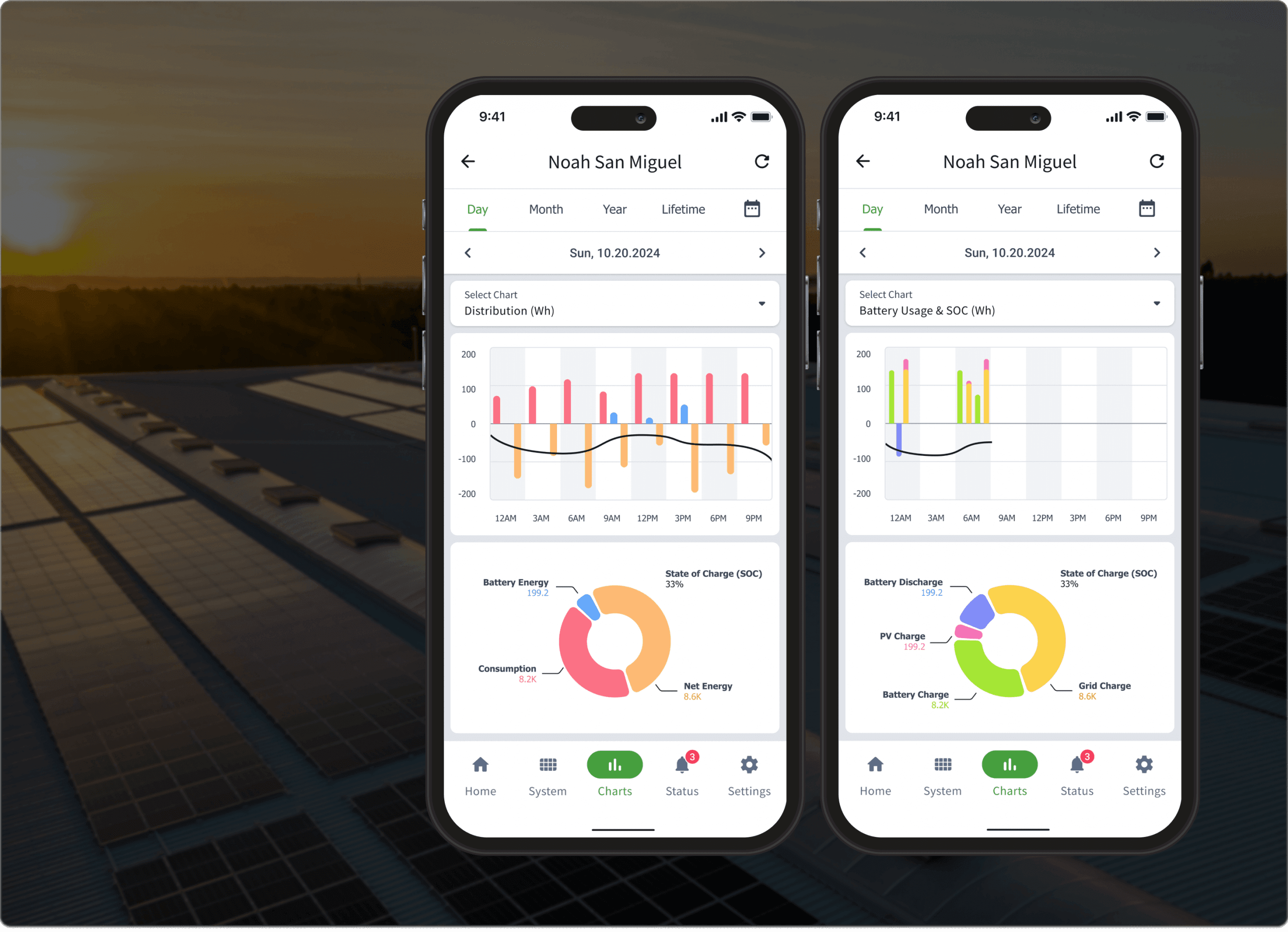
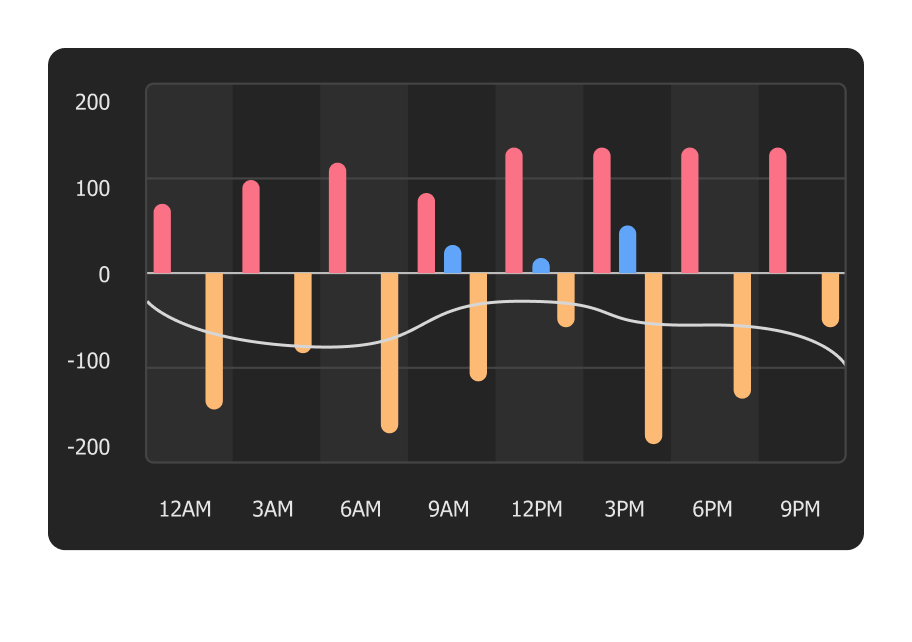
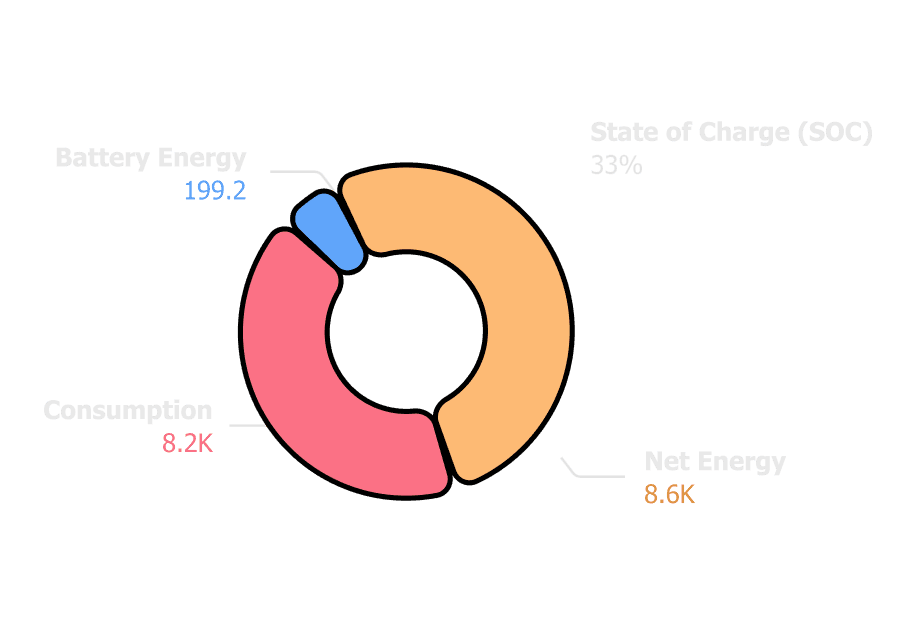
This screen lets you analyze your home’s energy consumption in detail. View hourly load graphs to spot usage peaks, compare battery discharge, solar production, and grid import through visual charts, and track how your system balances different energy sources in real time.
This screen lets you analyze your home’s energy consumption in detail. View hourly load graphs to spot usage peaks, compare battery discharge, solar production, and grid import through visual charts, and track how your system balances different energy sources in real time.
“
We were fortunate to turn to Wami because their team showed real dedication to our project. Some specialists have joined our team and continue to work on this large and complex project. We also visited their office in Kharkiv and got to know each team member. Friendly and professional team, grateful to them for their work.
Evgeny
CEO at "Tigo EI"
Approach
Challenge
The project was already in progress when we joined, but the existing infrastructure required major improvements. Our main challenge was assembling a skilled team to stabilize and enhance it. Tigo EI processes massive solar data, demanding efficiency, reliability, and scalability.
Solution
We act as a strategic partner, diving deep into business challenges, refining strategies, and spotting growth opportunities to ensure continuous improvement and long-term alignment.
Solution
We completely redesigned the system architecture to handle massive amounts of solar panel data with zero slowdowns. The new solution ensures high performance, real-time data processing, and full scalability, enabling the platform to grow seamlessly with future technological advancements.
Solution
We built a 12-person team — designers, developers, analysts, and testers — whose synergy sped up delivery and improved quality. Each expert’s skills helped achieve precision, faster iterations, and consistent high performance.
Solution
We implemented agile processes that enable quick responses to changes, fast feature launches, and improvements without chaos — ensuring smooth progress and continuous growth.
Final Solution
We optimized solar data processing with energy efficiency in mind. Every step of development focused on reducing resource usage while maintaining performance, supporting both business sustainability and the planet’s ecological balance.
Teamvoice
“
Tigo EI was one of the more complex systems I've tested — devices, database, analytics all talking to each other, and any weak link shows fast. We automated the critical paths, stress-tested heavily, and it held. That's the result you work toward.
QA Lead
Nataliia
“
Every module had to communicate cleanly, and the scalability piece was the real challenge. Architecture that handles 10x the devices without drama doesn't design itself.
Solution Architect
Danylo
“
Industrial energy efficiency clients don't come with neat requirements. We had to dig into their actual workflows, find where the real data lived, and figure out what "intuitive" actually means for someone managing an industrial facility. The collaboration with their technical team was what made it workable without that access, we'd have been guessing. Ended up with features that reflected how people actually operated, not how we assumed they did.
Business Analyst
Vlad
Solving the next challenge
Next Project
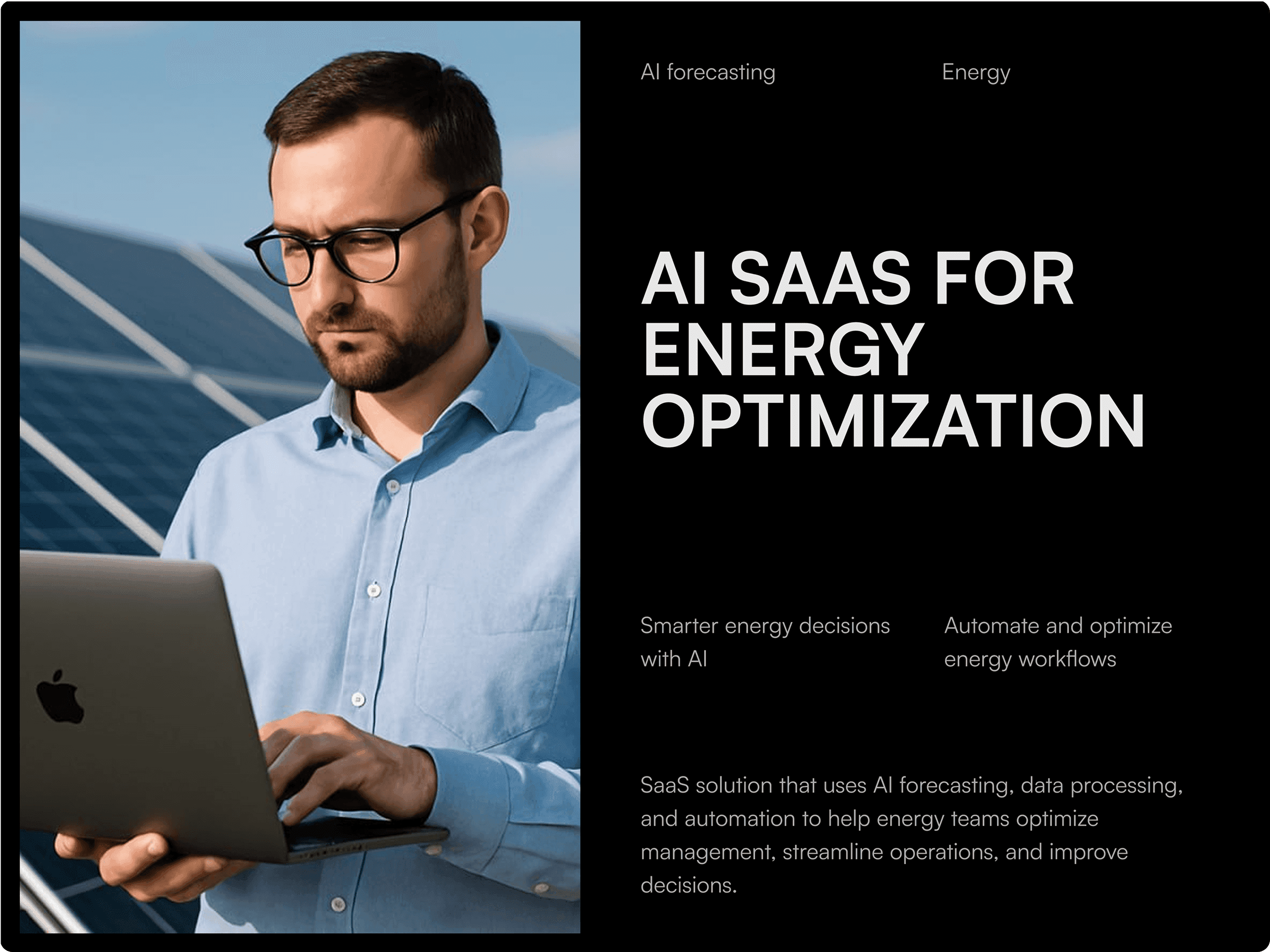
Predict Plus — AI SaaS for energy ops →
Next Project
Predict Plus — AI SaaS for energy ops →