E-commerce
Thingster: Turn Unused Items:
into New Opportunities
To create a mobile app for item exchange that reduces consumption by encouraging users to swap items instead of discarding them, promoting sustainable habits.
Project Goal
The app makes exchanging simple and personalized, offering a seamless experience that helps users find matches quickly and make environmentally conscious choices.
We utilize a robust tech stack for high-performance solutions: Node.js for backend, React.js for frontend, and Flutter for mobile, supported by AWS for DevOps.
Tech stack
Figma ensures smooth UI/UX design, Jira for project management, and Python powers AI development, enabling efficient workflows and intelligent features.
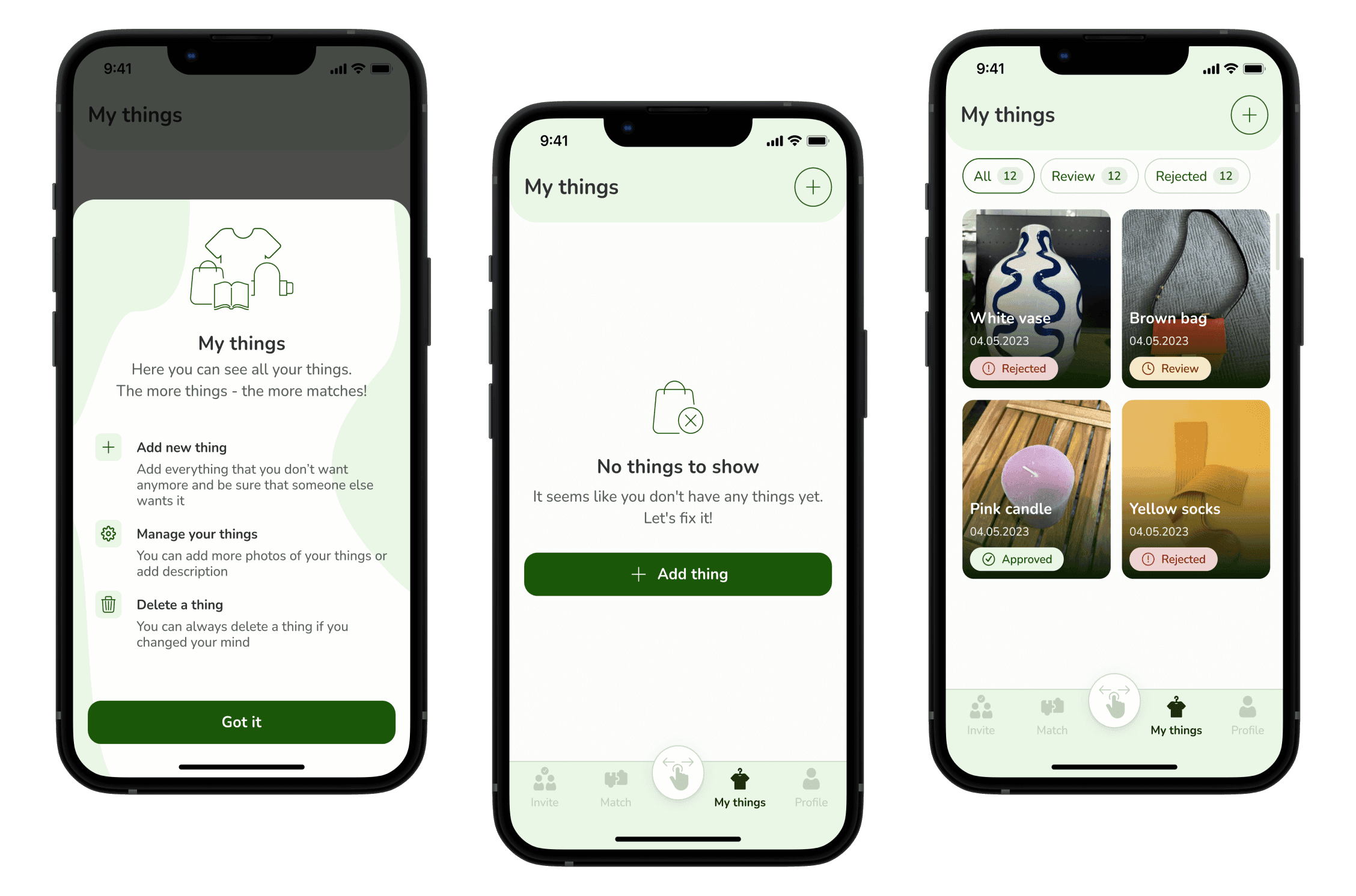
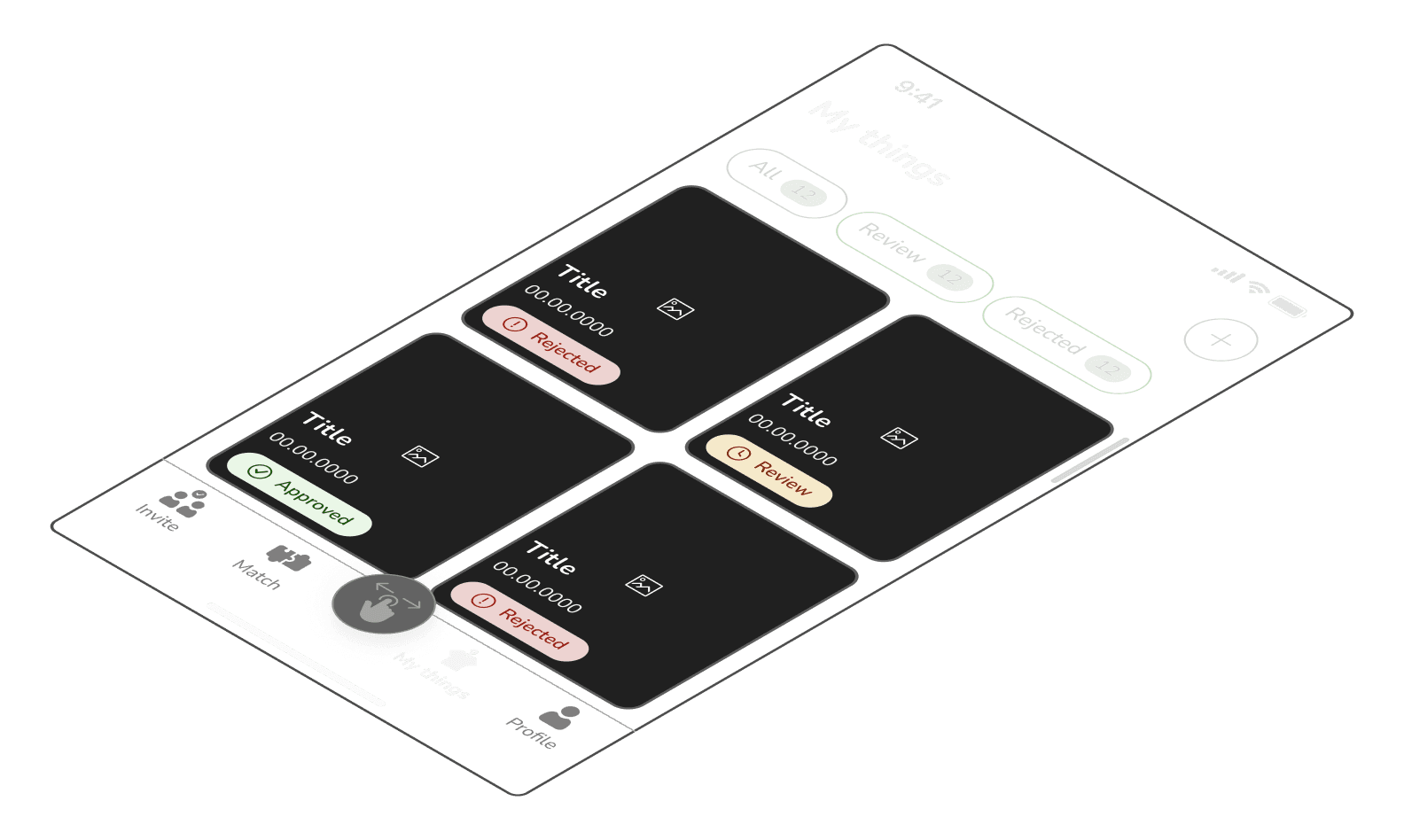
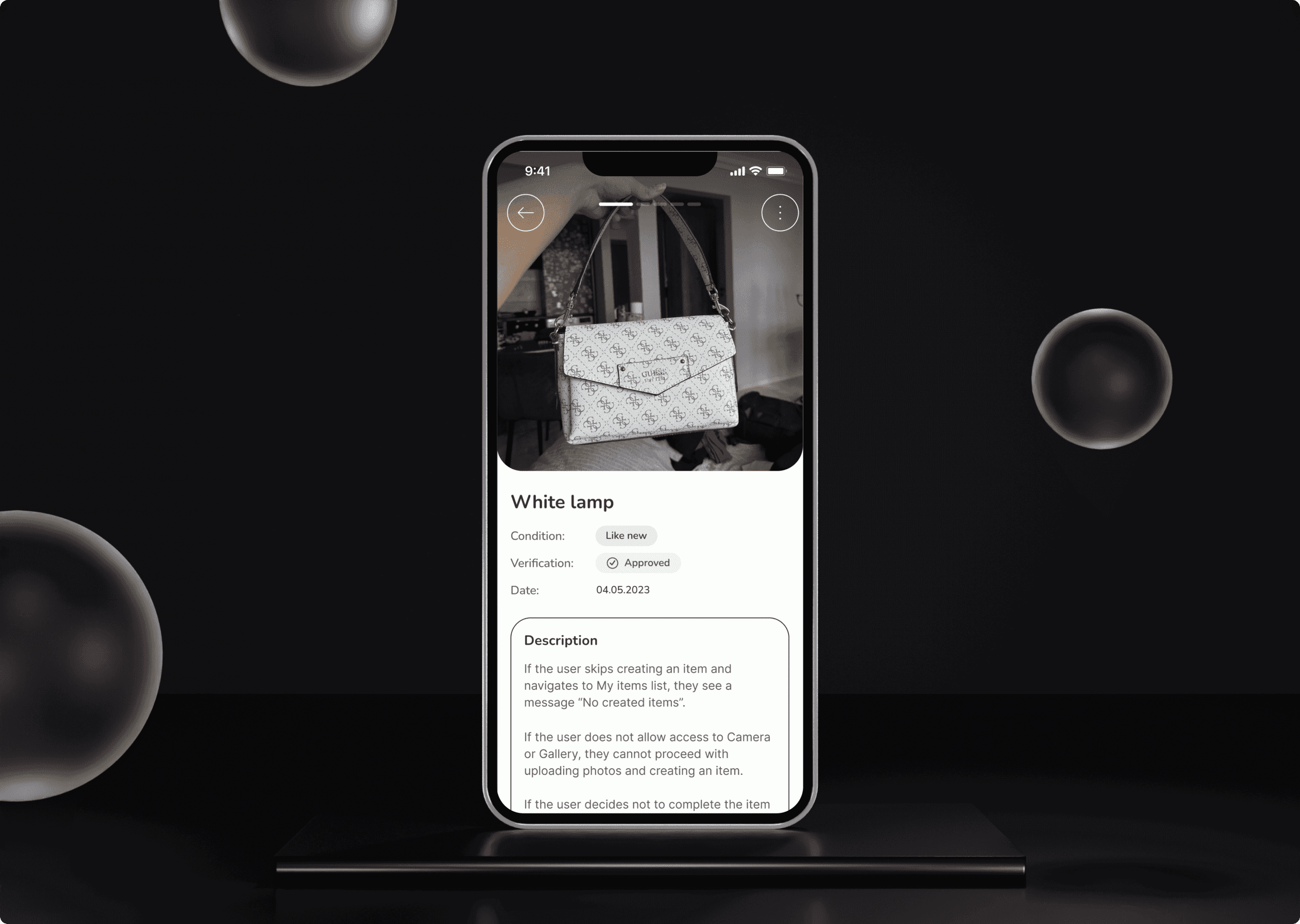
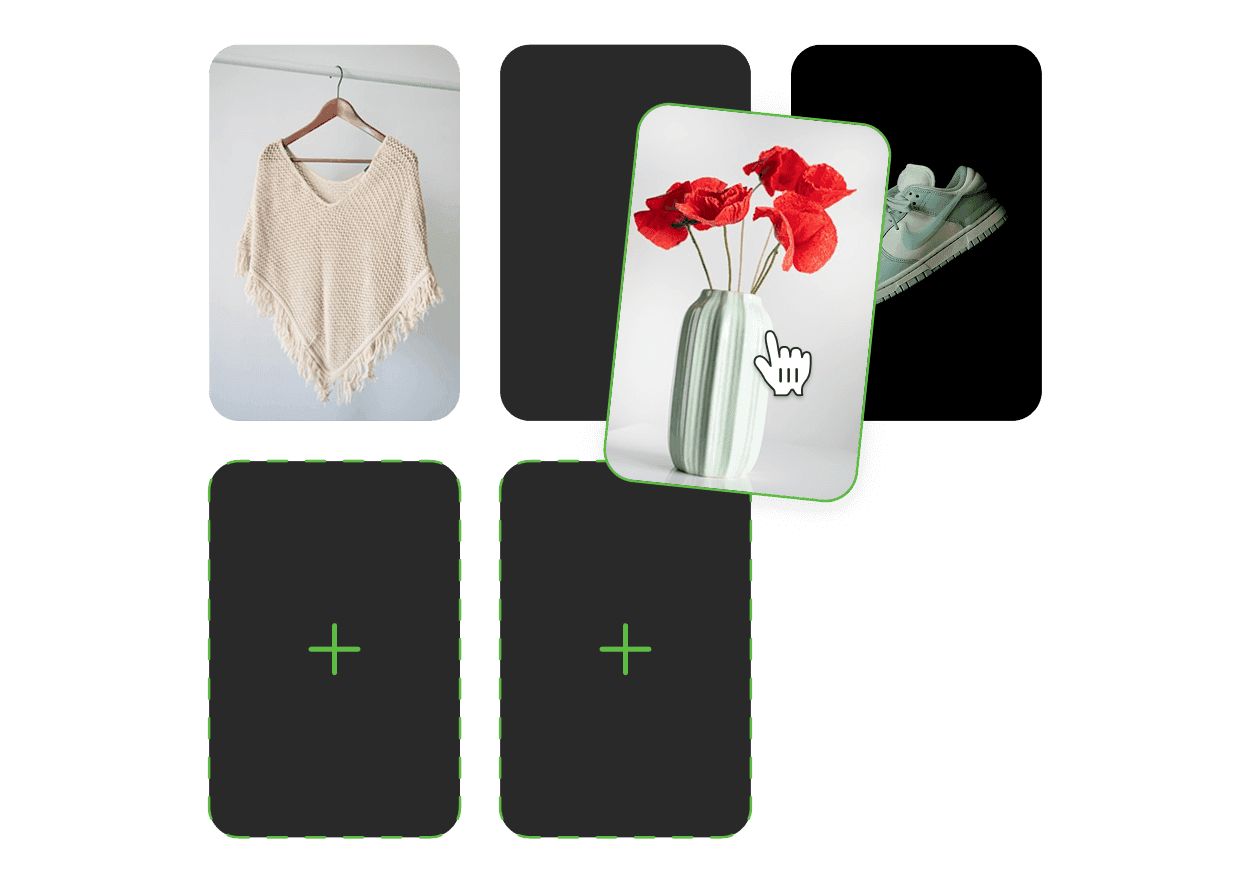
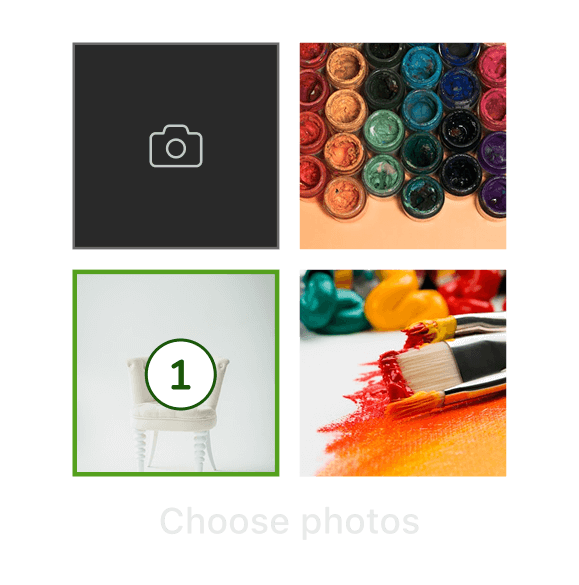
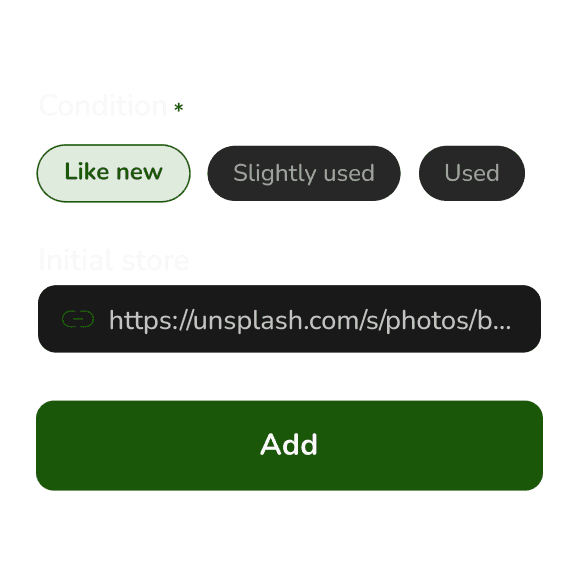
This screen allows users to easily manage their listed items — add, edit, or remove them, upload photos and detailed descriptions, and track status updates such as approved, under review, or rejected. It keeps every exchange transparent, organized, and effortless to manage.
This screen allows users to easily manage their listed items — add, edit, or remove them, upload photos and detailed descriptions, and track status updates such as approved, under review, or rejected. It keeps every exchange transparent, organized, and effortless to manage.
Services
Custom Mobile DevelopmentCustom Mobile Development
We build scalable mobile apps for iOS and Android, tailored to your goals and user needs.We build scalable mobile apps for iOS and Android, tailored to your goals and user needs.
AI Software DevelopmentAI Software Development
We integrate AI features like chatbots, recommendations, and automation to make your product smarter.We integrate AI features like chatbots, recommendations, and automation to make your product smarter.
ML Software DevelopmentML Software Development
We design and train machine learning models for prediction, classification, and data-driven decisions.We design and train machine learning models for prediction, classification, and data-driven decisions.
Development OperationsDevelopment Operations
Streamlined DevOps processes to automate delivery, improve reliability, and scale infrastructure.Streamlined DevOps processes to automate delivery, improve reliability, and scale infrastructure.
Quality AssuranceQuality Assurance
Comprehensive testing to ensure your product is stable, bug-free, and user-ready across all devices.Comprehensive testing to ensure your product is stable, bug-free, and user-ready across all devices.
Business AnalysisBusiness Analysis
We clarify requirements, uncover gaps, and align technical solutions with your business objectives.We clarify requirements, uncover gaps, and align technical solutions with your business objectives.
Design DevelopmentDesign Development
User-centered UI/UX design that enhances usability, supports brand identity, and drives engagement.User-centered UI/UX design that enhances usability, supports brand identity, and drives engagement.
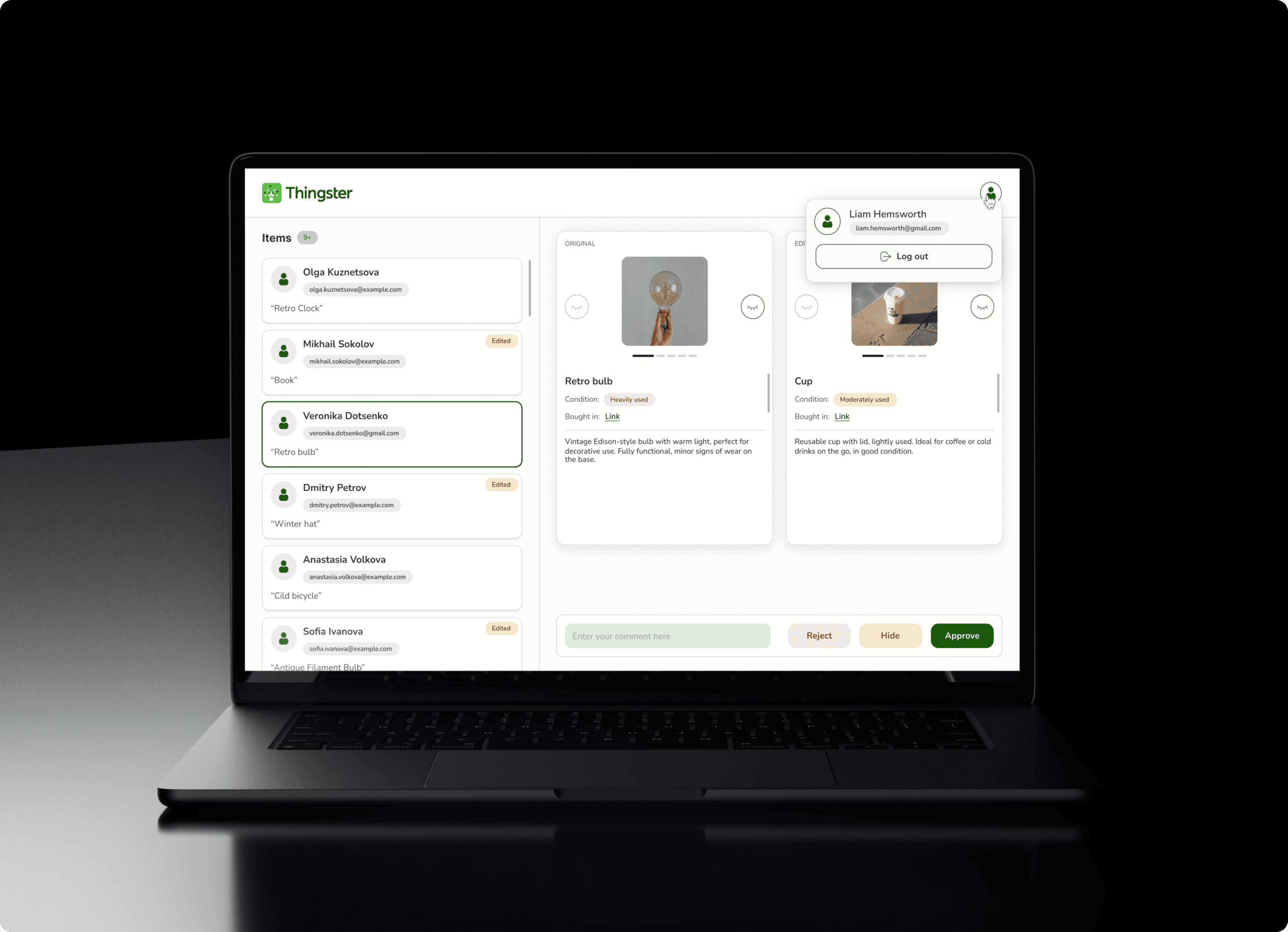
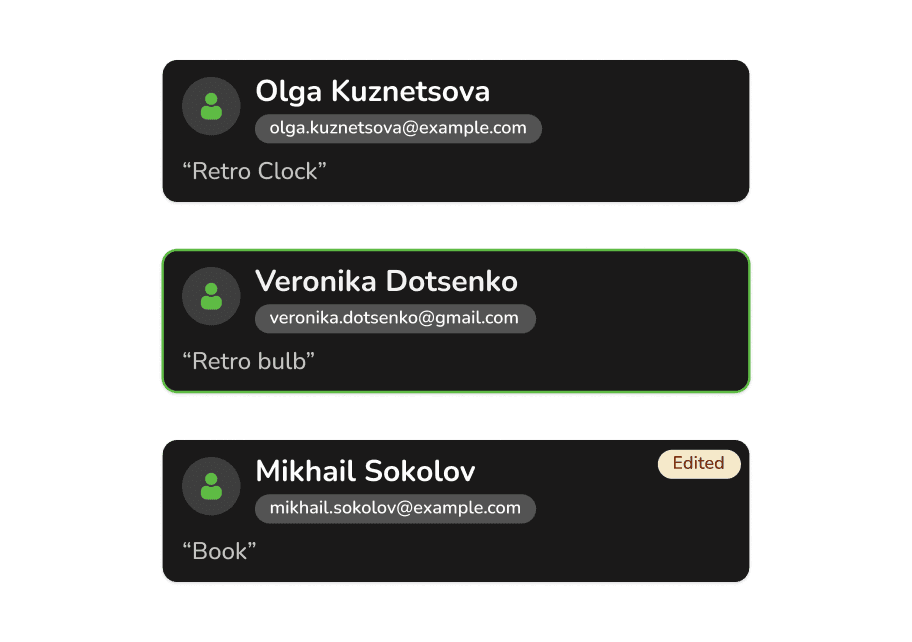
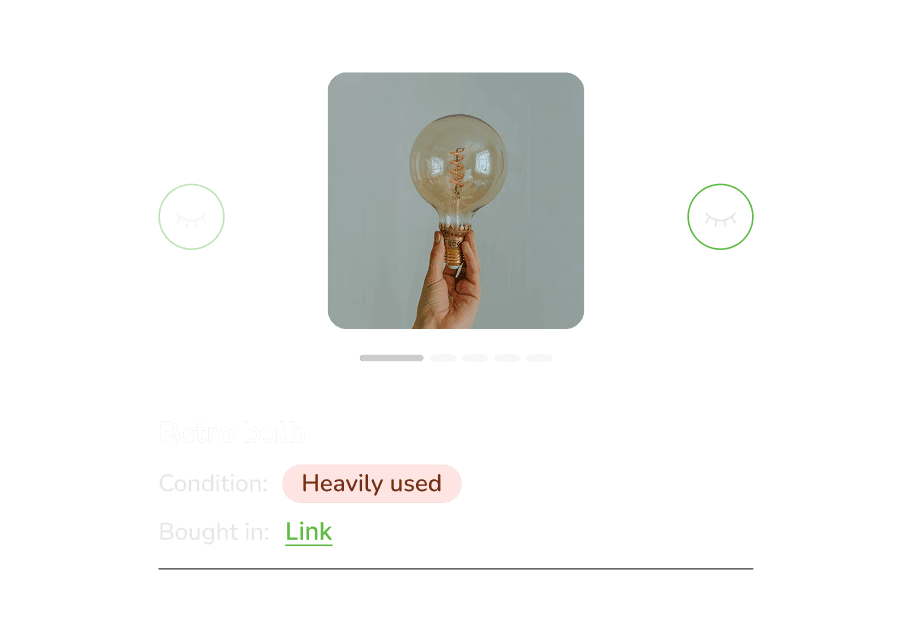
Thingster was a challenge to build a platform promoting sustainable consumption, enabling users to efficiently exchange personal items and reduce waste.
Key Insight
We designed a scalable, user-friendly system with automatic classification, personalized recommendations, and real-time syncing for effortless item sharing.
Project Plan
1. Requirements gathering and interface design
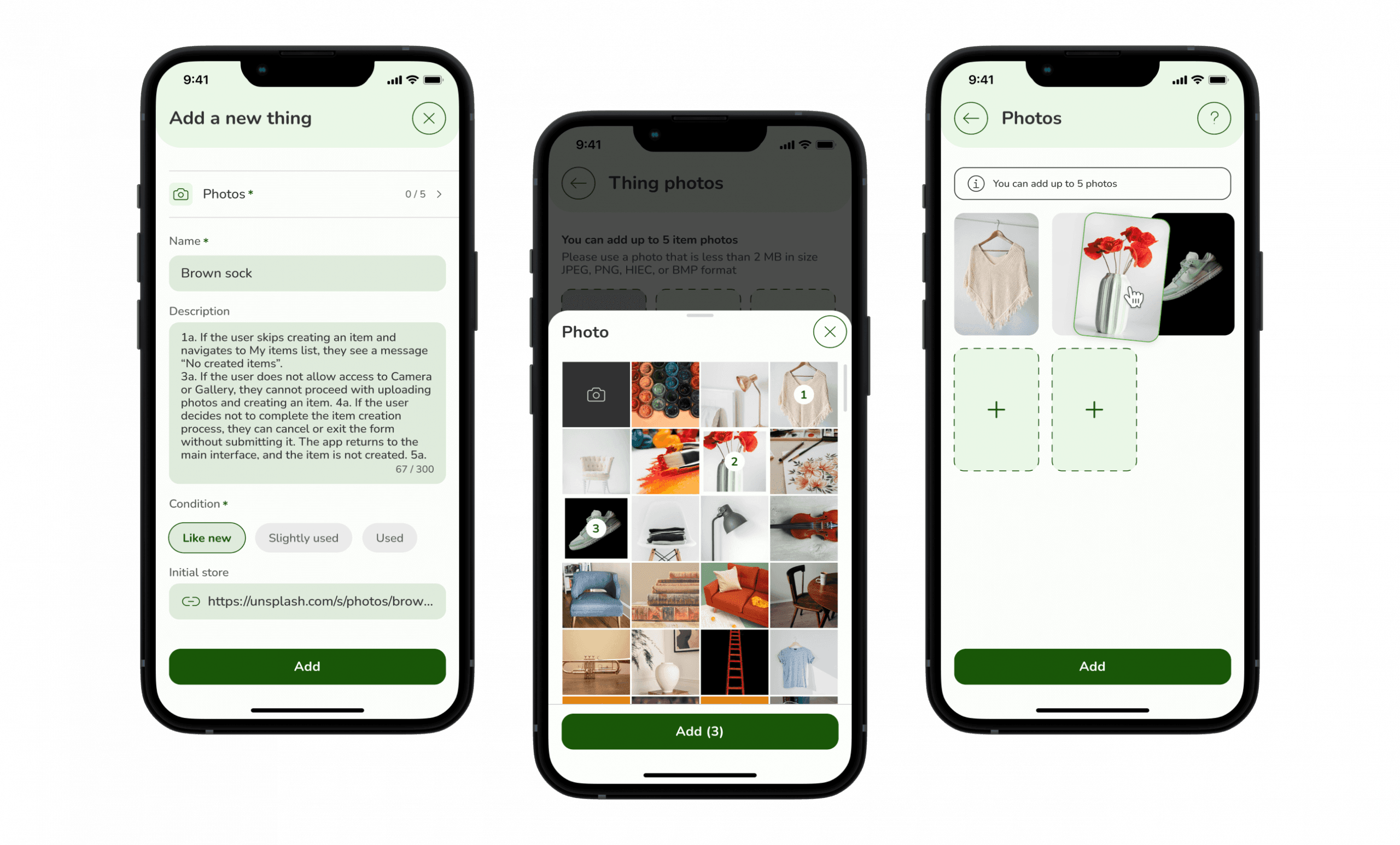
We analyzed user experiences with similar platforms while developing interface sketches focused on ease of use, aiming to create a platform for adding items, exchanges, and personalized recommendations.
2. Item classification development and algorithm integration
To ensure correct exchanges, we developed a system to automatically classify uploaded items, creating algorithms that identify categories and personalize the newsfeed for each user.
3. Development of personalized feeds and matches
Based on the gathered data, we implemented personalized feeds. The algorithm generates unique matches for exchange based on user search history and interests, making the exchange process convenient.
4. User interface creation and functionality testing
We implemented the interface based on the earlier sketches, making it responsive for different devices. We tested the app’s functionality with real users to identify any issues with design and features.
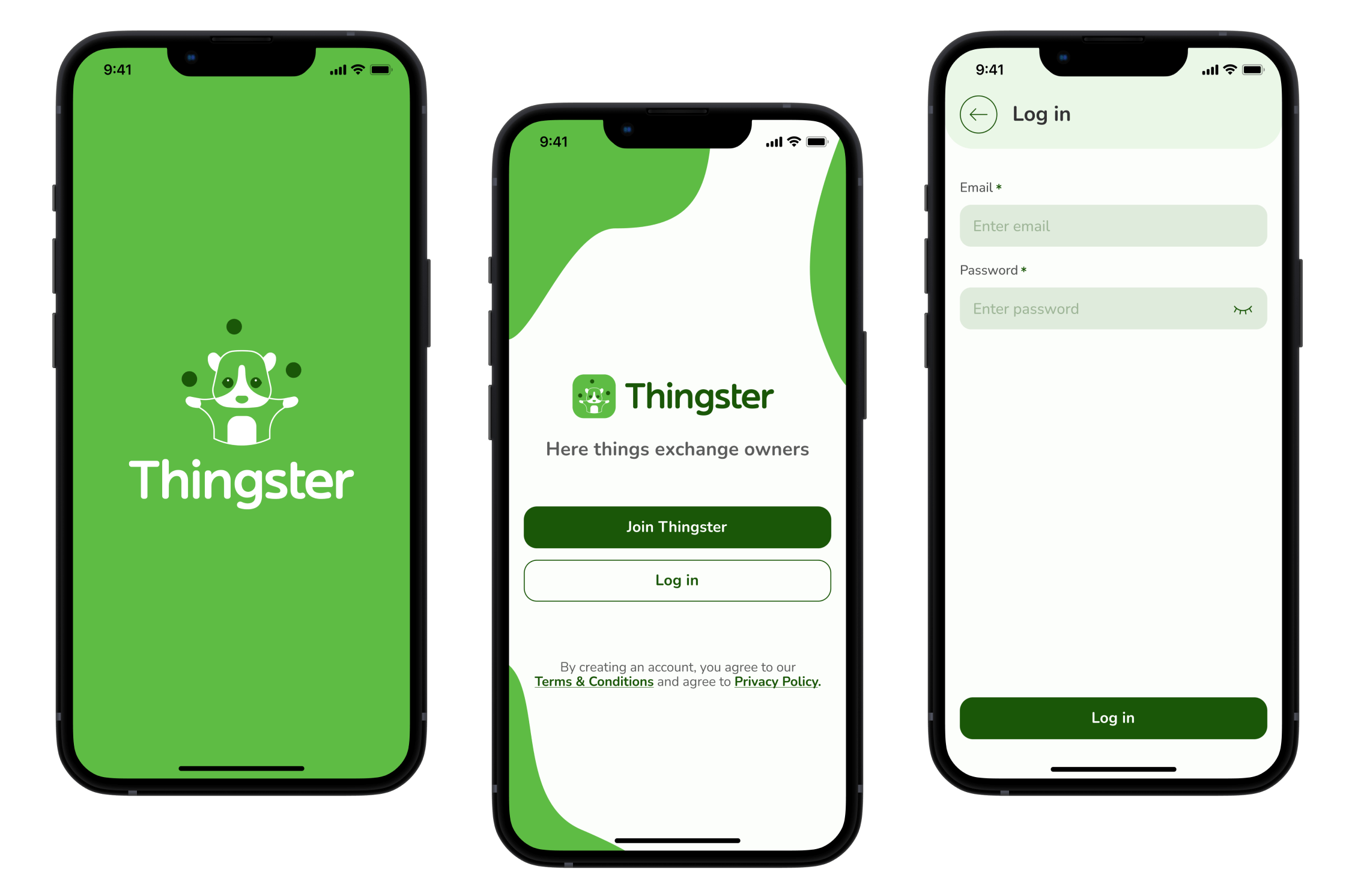

This screen introduces users to Thingster, an app for exchanging items. The onboarding flow lets users sign up for a new account or log in with existing credentials. Once inside, they can securely access the platform, manage their profiles, and start listing or browsing items for exchange.
This screen introduces users to Thingster, an app for exchanging items. The onboarding flow lets users sign up for a new account or log in with existing credentials. Once inside, they can securely access the platform, manage their profiles, and start listing or browsing items for exchange.
“
Wamisoftware delivered an excellent MVP mobile app, meeting deadlines and even adding extra features. Their flexibility, fast feedback, and clear communication stood out. The team’s ability to adapt quickly to changes and maintain quality impressed us. We’re thrilled with the final product and grateful for their commitment.
Yelyzaveta
CEO of Thingster
Approach
Challenge
We set out to build an app that encourages conscious consumption through item exchange. Our goal was to create a flexible recommendation system and design complex logic to support diverse user scenarios while maintaining a simple, intuitive experience that keeps users engaged.
Solution
We built an AI-powered recommendation engine that increased item exchange relevance by 40%, analyzing user behavior and preferences to improve match accuracy and enhance overall experience.
Solution
We designed a simple, intuitive interface with clear navigation and accessible functionality for all users, including those with minimal technical experience. This thoughtful UX approach increased user retention and encouraged continuous engagement with the platform’s core features.
Solution
We built a flexible architecture supporting multiple exchange scenarios for smooth performance and easy scaling. The system expands features, handles integrations, and adapts to growth without losing stability or speed.
Solution
We ensured strong system stability under heavy load, maintaining consistent uptime and smooth performance even during peak activity periods, ensuring a reliable experience for all users.
Final Solution
The result was a scalable, efficient platform that redefined conscious consumption through item exchange. It improved user engagement, simplified navigation, and delivered robust, high-performance functionality capable of supporting rapid growth.
Teamvoice
“
Thingster sits at that rare intersection where the product actually means something. Sustainable sharing, real environmental impact — baked into every decision, not just the pitch deck.
Head of Product
Dmytro
“
Role management was where most edge cases lived. Owners and renters interacting with the same objects differently — getting that logic airtight was the whole job.
QA Lead
Kseniia
“
The AI matching system was the interesting part — aligning user preferences with available items at scale isn't trivial, and the database needed a few iterations before it behaved. What stayed with me is that all that technical complexity was in service of something genuinely simple: helping people share instead of buy. Not every project gives you that.
Solution Architect
VItaliy
Solving the next challenge
Next Project
BI4Dev — Smarter Task Management Across the Bank →
Next Project
BI4Dev — Smarter Task Management Across the Bank →